
Laser Season in Southern California? The Sun Didn't Get the Memo

Every October, the beauty world announces it: laser season is here. Cooler weather, less time at the beach, fewer tan lines. The perfect time to start that laser series you've been putting off.
Then you step outside in Southern California, and it's 80 degrees with a cloudless sky and the ocean sparkling like it's July. The calendar says fall. The sun says otherwise.
So is it really laser season here? Yes, with a few smart adjustments.
Why fall is called laser season
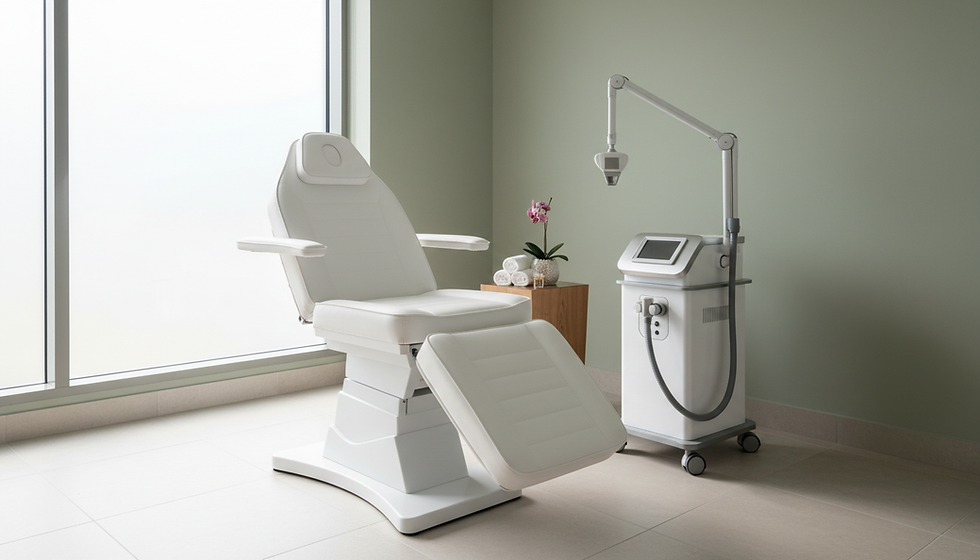
Many laser treatments, from hair removal to resurfacing and pigment correction, work best on skin that hasn't recently been tanned or sunburned. Sun-exposed skin can be more sensitive to treatment and more likely to develop irritation or dark spots afterward, which is why providers often ask patients to limit sun exposure before and after sessions.
Fall and winter usually make that easier. Fewer beach days and more time indoors give skin a break. Many treatments also need a series of sessions spaced weeks apart, so starting in fall can mean finishing before summer comes back around.
The SoCal reality: the sun doesn't take October off
In much of the country, fall brings shorter days and weaker sun. Southern California doesn't follow the script. Clear skies, warm afternoons, and reflection off the ocean and sand can keep UV levels meaningful well into autumn, and cooler air can make it easy to forget the sun is still strong.

That matters if you're starting laser treatments. A long walk on the beach, an afternoon at an outdoor game, or a drive along the coast with the window down all count as sun exposure. A quick check of the daily UV index on your weather app before heading out is one of the easiest habits you can build this season.
How to make laser season work in Southern California
These habits help most people, but your provider's instructions for your specific treatment always come first.
Wear broad-spectrum SPF 30 or higher every day, even when it's cloudy or you'll mostly be indoors. Reapply about every two hours when you're outside, and after swimming or sweating.
Add physical protection. A wide-brimmed hat, sunglasses, and shade do a lot of work that sunscreen alone can't.
Plan around your sessions. Ask your provider how long to avoid direct sun and tanning before and after each appointment, and schedule beach days and outdoor events accordingly.
Skip tanning, including self-tanner, unless your provider says it's fine. Tanned or artificially bronzed skin can affect some treatments.
Be honest about your sun exposure. If you got sun before an appointment, tell your provider. They may adjust settings or reschedule to protect your skin.
Follow aftercare closely. Gentle cleansers, moisturizer, and avoiding harsh actives for a few days help skin recover after many treatments.
The bottom line
Laser season in Southern California is real. It just comes with sunscreen. Fall is still one of the best times to start a treatment series, as long as you treat the sun like it's July, because around here it often feels like it.
If you've been waiting for the right moment, this is it. Book a consultation with a licensed provider, ask which treatments fit your skin and your schedule, and build your plan around the beach days you're not willing to give up.
And wear your SPF. The UV index isn't checking the calendar.
This post is for general information and isn't medical advice. Talk with a qualified provider about what's right for your skin.

Comments